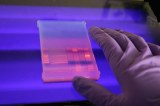

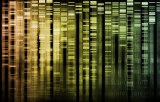
Nucleic acids electrophoresis is a fundamental molecular biology technique used to separate DNA and RNA molecules based on their size and charge by applying an electric field through a gel matrix. This process allows visualization, identification, and purification of nucleic acids for various downstream applications such as cloning, sequencing, and analysis of gene expression.
Principles of Nucleic Acids Electrophoresis
Nucleic acids carry a uniform negative charge due to their phosphate backbone, causing them to migrate toward the positively charged anode during electrophoresis. The migration rate is primarily influenced by the size of the nucleic acid fragments and the gel matrix through which they travel. The gel acts as a molecular sieve, separating molecules by size, with smaller fragments migrating faster than larger ones.
Gel Matrices Used
Agarose Gel Electrophoresis
Agarose, a polysaccharide derived from seaweed, is the most commonly used gel matrix for separating larger nucleic acid fragments ranging from approximately 50 base pairs (bp) to 50 kilobase pairs (kb). Agarose gels are prepared by dissolving agarose powder in buffer, heating it to form a solution, and then allowing it to solidify into a gel with a porous structure. The concentration of agarose (typically 0.5–2%) determines the pore size and resolution capacity. Agarose gel electrophoresis is widely used for analyzing PCR products, restriction enzyme digests, plasmids, and RNA transcripts. The resulting bands are stained and visualized under UV or blue light.
Polyacrylamide Gel Electrophoresis (PAGE)
For higher resolution separation of smaller nucleic acid fragments (5 bp to ~3,000 bp), polyacrylamide gels are used. Polyacrylamide gels are synthetic, formed by polymerization of acrylamide and a cross-linker (usually N,N′-methylenebisacrylamide). These gels have a smaller and more uniform pore size than agarose gels, enabling single-base resolution in some cases, which is crucial for applications like DNA sequencing or analyzing short RNA molecules. Polyacrylamide gels require more complex preparation and handling compared to agarose gels.
Key Applications
- Confirming PCR amplification and sizing of DNA fragments
- Checking RNA integrity and purity
- Analyzing restriction enzyme digests for cloning
- Isolating nucleic acid fragments for downstream manipulations
- Quantifying nucleic acid concentration and purity
This technique's versatility and reliability underpin many critical protocols in molecular biology research, diagnostics, and biotechnology.