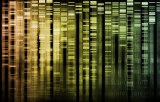

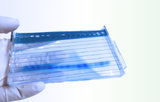
Electrophoresis products encompass a diverse range of laboratory equipment and consumables that enable the separation and analysis of biomolecules such as nucleic acids (DNA and RNA), proteins, and other charged particles based on their size, charge, and physical properties under the influence of an electric field. These products are essential for numerous biological and biochemical research applications including molecular biology, genetics, proteomics, and clinical diagnostics.
Overview of Electrophoresis Technique
Electrophoresis is a technique that applies an electric field to charged molecules in a medium, causing them to migrate based on their net charge and size. The molecules migrate through a supporting medium such as agarose or polyacrylamide gels, or within capillaries, and separate into distinct bands. Smaller molecules typically move faster than larger ones. This method is widely used for analytical and preparative purposes, serving as a foundational step for further assays like blotting techniques (Western, Northern, Southern) and molecular characterization.
Types of Electrophoresis Products
- Horizontal Gel Electrophoresis Systems: Typically used for DNA and RNA analysis, where gels are positioned horizontally and fully submerged in buffer. Agarose gels are commonly used in these systems for nucleic acid separation.
- Vertical Gel Electrophoresis Systems: Used predominantly for protein separation by polyacrylamide gel electrophoresis (PAGE). These gels are placed vertically to utilize discontinuous buffer systems and distinct stacking/resolving gel layers.
- Capillary Electrophoresis Systems: Utilize thin glass capillaries to separate molecules and ions with high resolution based on charge and size. This technique is automated and offers rapid analysis.
- Isoelectric Focusing Systems: Separate proteins or peptides based on their isoelectric points (pI), allowing identification of isoforms and variants by focusing them in pH gradients.
- Pulsed Field Gel Electrophoresis (PFGE) Systems: Designed for separation of very large DNA molecules (up to several megabases) by periodically changing the direction of the electric field to prevent DNA entanglement and achieve better resolution.
- Gel Documentation and Imaging Systems: After electrophoresis, gels are visualized using gel documentation systems (gel docs), which may include UV or blue light transilluminators, fluorescence imagers, and chemiluminescent detectors. These systems capture images of separated bands for qualitative and quantitative analysis.
- Electrophoresis Consumables: Includes precast or cast gels, buffers, ladders/markers for size estimation, and staining or probing reagents essential for visualization of separated molecules.
Key Components of Electrophoresis Apparatus
An electrophoresis system typically consists of a power supply to generate the electric field, electrodes (anode and cathode), buffer solutions to maintain pH and conductivity, and a support medium (e.g., agarose or polyacrylamide gels) in which the separation occurs. Additional components like covers prevent evaporation, and wicks complete the electrical circuit.
Applications and Considerations
Electrophoresis products are selected based on the target molecules, sample type, desired resolution, and downstream applications. DNA, RNA, and small proteins are commonly separated by horizontal agarose gel systems and vertical PAGE systems for proteins. For advanced applications such as protein isoform analysis or large DNA fragment separation, specialized systems like isoelectric focusing and PFGE are used. Gel documentation systems enhance precision in data capture and analysis, which is critical in research and diagnostics.