Many oncology compounds are discontinued not because they lack biological activity, but because early models failed to capture their true patient-relevant potential.
The Rescue Molecule Program is designed to re-evaluate deprioritized, underperforming, or strategically paused oncology assets using patient-derived functional tumor models, generating new translational evidence and identifying overlooked responder populations.
Why Molecules Fail — And Why They Deserve a Second Look
Compounds are often discontinued due to:
- Poor performance in 2D cell lines
- Lack of robust biomarker strategy
- Heterogeneous clinical trial results
- Incorrect dose or combination selection
- Inadequate patient stratification
Traditional preclinical models may not reflect real tumor heterogeneity. Our human ex vivo functional platform offers a second, clinically relevant perspective.
What the Rescue Program Delivers
1) Functional Re-Evaluation on Patient-Derived Tumors
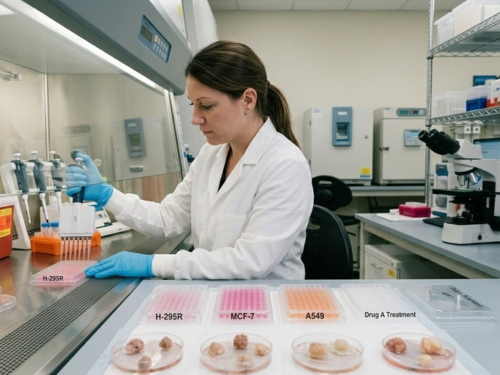
Your asset is tested directly on primary human tumor cultures, preserving tumor complexity and heterogeneity.
We assess:
- Monotherapy activity across a patient cohort
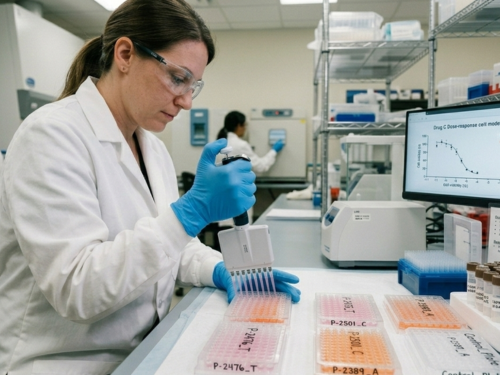
- Dose–response relationships
- Combination potential with standard of care
- Response variability across tumor subtypes
Goal: Identify whether a subset of tumors shows meaningful functional sensitivity.
2) Responder Subpopulation Identification
Rather than asking “Does it work broadly?”, we ask:
“In which patients does it work?”
We generate:
- Responder vs non-responder mapping
- Sensitivity distribution curves
- Tumor subtype response patterns
- Potential enrichment strategies
This can uncover a niche but high-value indication.
3) Combination Repositioning Strategy
Many compounds fail as monotherapies but succeed in rational combinations.
We evaluate:
- Synergy with SOC regimens
- Activity enhancement in dual therapy
- Dose optimization strategies
- Ranking of combination partners
This may reposition the asset within:
- Combination therapy programs
- Immuno-oncology strategies
- Precision oncology subsets
4) Mechanistic & Biological Validation (Optional Modules)
To support regulatory or partnering discussions, we can integrate:
Molecular validation
- Target pathway modulation
- Gene expression analysis
- RT-PCR / qPCR
Protein & signaling analysis
- Western blot
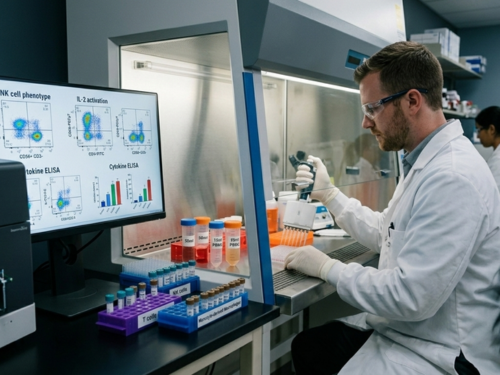
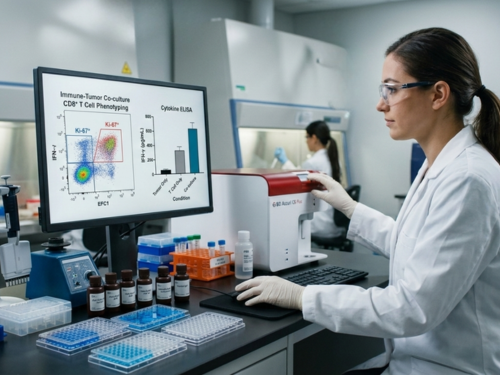
- Flow cytometry
- Immunocytochemistry
- Apoptosis and proliferation markers
Functional endpoints
- Ki-67
- TUNEL
- Viability assays
- ELISA nucleosome release
Objective: Link functional response to biological plausibility.
Strategic Applications
The Rescue Molecule Program supports:
- Portfolio re-evaluation before asset write-off
- Indication expansion strategy
- Out-licensing preparation
- Spin-out strategy development
- Investor re-engagement
- Scientific advisory board discussions
Who Benefits Most
- Biotechs with pipeline reprioritization
- Pharma reviewing legacy portfolios
- Venture-backed companies seeking value recovery
- Academic spin-offs with discontinued compounds
Deliverables
You receive:
- Executive strategic assessment
- Cohort-level functional response data
- Identification of responder subgroups
- Combination ranking and repositioning insights
- Translational rationale package
Why This Program Is Different
- Patient-derived primary tumor testing
- Preservation of tumor heterogeneity
- Functional efficacy rather than genomic prediction alone
- Faster and more cost-efficient than in vivo redevelopment
- Human-based translational evidence
From Shelved Asset to Strategic Opportunity
The Rescue Molecule Program transforms uncertainty into actionable insight — helping you determine whether your molecule should truly be discontinued or repositioned for success.